Introduction to Hand-Painted Fine Arts
Hand-painted fine arts encompass a diverse range of artistic expressions created by skilled artisans using various mediums such as oil, acrylic, watercolors, and mixed techniques. Unlike mass-produced artworks, each hand-painted piece is crafted meticulously, ensuring uniqueness and a personal touch that resonates deeply with art enthusiasts and collectors alike. The intrinsic value of hand-painted fine arts stems from the individuality embedded within each artwork, reflecting the artist’s creativity and skill as well as the culture and context of its creation.
Incorporating hand-painted fine arts into interior spaces can significantly enhance the overall aesthetics and ambiance of a home or office. These artworks serve not only as decorative elements but also as conversational pieces that engage observers in a narrative crafted by the artist’s vision. The personal taste and style of the owner can be distinctly expressed through the careful selection of artwork, making it an essential component of interior design. Furthermore, hand-painted art allows for a level of customization and originality that is often sought after in contemporary interior decor.
The significance of hand-painted fine arts is also manifested in their ability to transcend mere decoration. Each piece tells a story, evokes emotions, and invites introspection, leading to a more meaningful interaction between the viewer and the space. Moreover, the presence of bespoke artworks can create a warm and inviting atmosphere, transforming any environment into a reflection of one’s identity and tastes. In this way, hand-painted fine arts are not just additions to a room; they are integral elements that contribute to the overall narrative of a space.

- ORIGINAL ARTWORK: Legacy of the Valley is a 12×16 original oil painting by renowned artist Luke Smith, capturing the nat…
- STUNNING SUBJECT: This vibrant artwork features a family of black bears wandering through a sunlit wildflower meadow, cr…
- ICONIC LANDSCAPE: Towering granite cliffs including El Capitan form the majestic background, while Bridalveil Fall casca…
The Impact of Art on Interior Spaces
Art has a profound influence on the ambiance of any interior space, transforming not only the look but also the feel of a room. The strategic use of hand-painted fine arts can enhance the aesthetic appeal while also affecting the mood and atmosphere. Color theory plays a pivotal role in this transformation; for instance, warm colors evoke feelings of energy and warmth, while cooler tones can create a sense of calm and serenity. When selecting artwork, understanding how colors interact with one another and the emotions they convey can significantly impact the overall environment.
The composition of a piece is equally important. Well-balanced artworks draw the eye and guide it throughout the space. The arrangement of shapes, lines, and forms can either unify a room or create dynamic contrasts that invigorate it. For example, an oversized painting can serve as a focal point, drawing attention and becoming a conversation starter, while smaller, complementary pieces can enhance the overall design without overwhelming it.
Moreover, the emotional impact of art is undeniable. Each artwork carries its unique message and story, connecting with viewers on a personal level. Select pieces that resonate with one’s identity or aspirations can foster a sense of belonging and comfort within one’s home. This emotional resonance can significantly enhance the living experience, as people often find solace, joy, or inspiration in thoughtfully chosen artworks.
In conclusion, the selection of the right hand-painted fine arts transcends mere aesthetics; it shapes the emotional and psychological atmosphere of a space. Therefore, one should carefully consider colors, composition, and emotional impact when curating a collection of artworks to ensure a harmonious and inviting interior environment.


Exploring Different Genres of Hand-Painted Fine Arts
Hand-painted fine arts encompass a wide array of genres, each exhibiting its own historical significance and thematic elements. From the grandeur of Western Art to the spirituality of Religious Art, these genres reflect the diverse expressions of human creativity.
Western Art is perhaps the most recognized category, rooted in the rich traditions of Europe. It spans several movements, including the Renaissance, Baroque, and Impressionism. Artists like Leonardo da Vinci and Vincent van Gogh have left an indelible mark, elevating the genre with their unique styles. Themes associated with Western Art often involve human experience, nature, and mythology, encapsulated in techniques that demonstrate mastery over light and form.

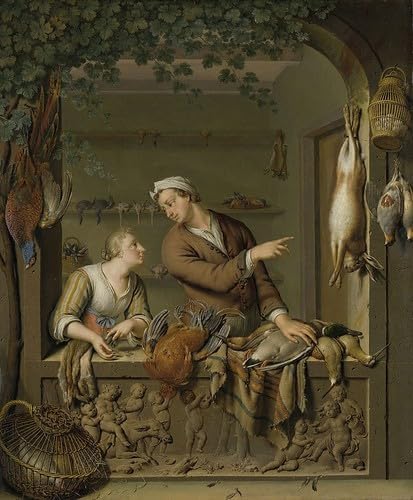

Medieval Art, on the other hand, serves as a bridge between the classical ideals of antiquity and the stylistic shifts that characterized later periods. This genre primarily focuses on religious themes, reflecting the spiritual life of its time. Iconography played a significant role, with artists creating works that held deep symbolism and conveyed theological narratives. The use of vibrant colors and intricate details is a hallmark of this period, serving both decorative and didactic purposes.


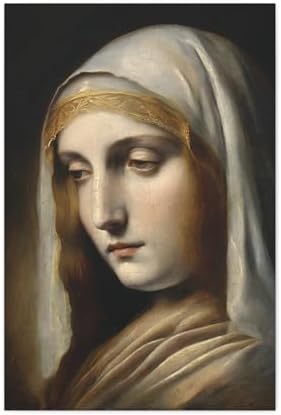
Religious Art remains a cornerstone of many hand-painted fine arts, particularly within the Christian tradition. This genre includes altarpieces, frescoes, and illuminated manuscripts, all designed to inspire devotion and convey religious stories. The intricate work by artists such as Michelangelo and Caravaggio contributed to the depth of spirituality found in these creations, transforming spaces into sanctuaries of contemplation.
Finally, Abstract forms of hand-painted fine arts challenge traditional representation, relying on colors, shapes, and lines to express emotions and concepts. Pioneered by artists like Wassily Kandinsky, this genre liberates the viewer from literal interpretations, inviting personal reflection and emotional response. Abstract art continues to thrive, broadening the definition of what constitutes fine art.
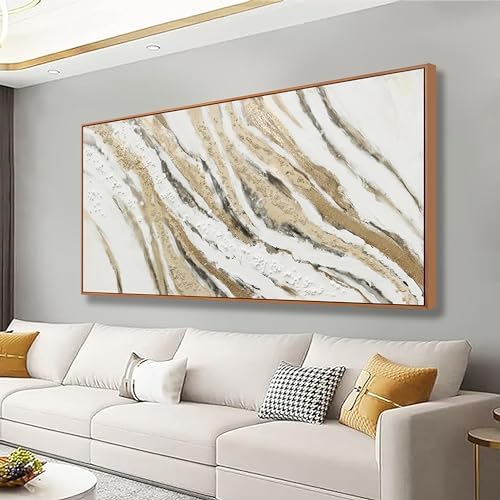
- 【Suitable Size for Abstract Wall Art】 this wall art for living room measures approx 29″ X 58″; Suitable size makes it a …
- 【Quality Wooden Frame and Canvas】: Our decorative paintings are built with quality in mind, featuring sturdy wooden fram…
- 【HD Printing】: Our HD printing has stunning visual effects. Every stroke and detail is clearly reproduced, ensuring exce…
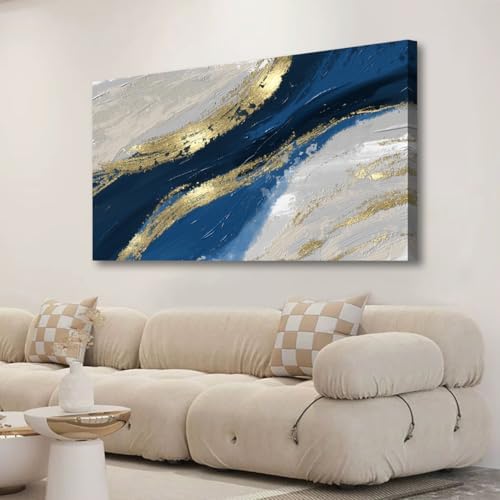
- 1.【The size of canvas wall art】-Abstract wall art size:20 x 40inches x 1pcs(50 x 100cm x 1pcs),canvas art style:Abstract…
- 2.【Quality material for wall paintings】-HD Golden pictures print on premium canvas,waterproof, uv-resistant.BlueRiver Te…
- 3.【Wall art is perfect gift】-Blue wall decor will be a unique wall decorations to decorate your space,a great gift idea …
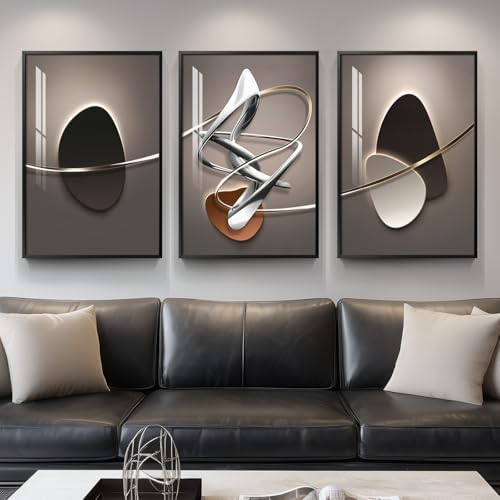
- [Framed Wall Art]: A set of 3 Modern abstract pictures wall art, each composed of black and white silvery colors, wall a…
- [High-Quality Crystal Porcelain Coating]: The surface of these artworks is made of crystal layer material, featuring api…
- [Ready to Hang]: Each painting is pre-mounted, allowing you to easily decorate your home upon arrival.Our black and whit…
Western Art: Celebrating Cultural Heritage
Western art forms an integral part of the larger tapestry of global culture, reflecting the evolving philosophies, historical contexts, and artistic innovations throughout the centuries. From classical antiquity to modern contemporary works, this genre has witnessed remarkable transformations that not only mirror artistic trends but also the cultural zeitgeist of various epochs. Initially rooted in the traditions of Ancient Greece and Rome, Western art laid the foundation for future movements that would shape its evolution.
The Renaissance marked a significant turning point, heralding a renewed interest in naturalism and humanism. Iconic artists such as Leonardo da Vinci and Michelangelo created masterpieces that celebrated the human form and the beauty of the natural world. These works set a high standard for realism that would influence generations of artists. As we moved through the Baroque and Rococo periods, the emphasis shifted towards grandeur and emotion, with artists like Rembrandt and Vermeer using light and shadow to evoke mood.
The art movements of the 19th and 20th centuries, such as Impressionism and Abstract Expressionism, further diversified the Western art landscape. Artists like Claude Monet and Jackson Pollock broke away from traditional techniques, embracing innovation and personal expression. This evolution not only altered the perception of what constituted art but also expanded the ways in which art could be integrated into everyday life.
In contemporary settings, Western art plays a pivotal role in home and office decor. The diverse array of styles allows for personalized aesthetics, inspiring creativity and enhancing the ambiance of any space. Unique hand-painted fine arts pieces can transform a simple environment, offering a glimpse into personal tastes and cultural backgrounds. The choice of Western art in decor not only provides visual appeal but also fosters a deeper connection to cultural heritage, making each piece a conversation starter.

- Transform any of your room into an artistic gallery with this elegant bedroom wall art horse that captures the beauty of…
- Textures: The horse framed art wall decor is embellished with exquisite hand-painted textures, infusing the artwork with…
- Frame: The well-crafted frame is designed to complement the beauty of the horse art wall decor, enhancing the visual imp…
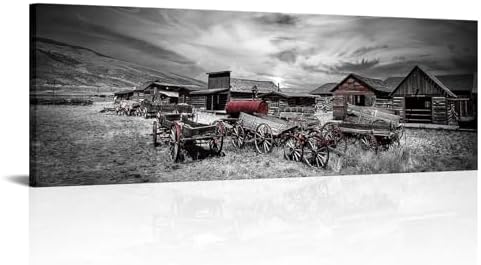
- SIZE: 16″x48″
- HIGH QUALITY DESIGN: HD prints on premium canvas. Waterproof, UV resistant, fading resistant indoor. Staples or tacks be…
- EXCELLENT CANVAS ART: Our wall artworks will definitely make rooms more stylish. They will be wonderful wall decor for h…

- Size Information: The horse art with an overall size of 40″ x 20″. Country horse picture is perfect for elevating the de…
- Premium Quality: The western decor for home applies the advanced Giclee technology with long-lasting printing inks. Prin…
- Unique Look: A western pictures wall decor will bring a warm and inviting feeling to your living spaces. The finish spre…
Medieval Art: A Window to the Past
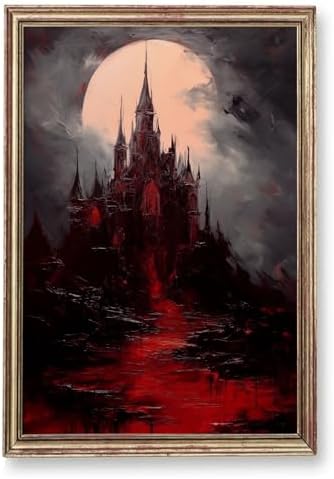
Medieval Art serves as a significant and captivating reflection of the socio-religious landscape of the Middle Ages, a period spanning approximately from the 5th to the late 15th century. This artistic genre is characterized by its deep religious themes, intricate symbolism, and a focus on manuscript illumination and altarpieces. The works produced during this era often conveyed moral narratives, biblical stories, and represented the prevailing beliefs and values of society at the time.
The prevalent motifs in Medieval Art include iconography, with figures such as Christ, the Virgin Mary, and various saints frequently depicted to inspire piety and devotion among the viewer. Artists employed a limited color palette enriched with gold leaf to create atmospheric depth, directing the viewer’s attention towards spiritual rather than naturalistic representation. These pieces, often seen in churches and cathedrals, were designed to transform the space into a realm of divine contemplation, further emphasizing the transcendent themes inherent in the artwork.
In contemporary interiors, the allure of Medieval Art can be harnessed to evoke a sense of history and spirituality. The dense symbolism and traditional techniques offer a unique focal point in modern design, appealing to individuals who appreciate the intricate craftsmanship of hand-painted works. Incorporating elements of Medieval Art can enhance the aesthetic of a space, bringing a touch of antiquity that resonates with both historical significance and artistic merit.
Moreover, the revival of interest in traditional craftsmanship has led to a renewed appreciation for the unique artistry of Medieval styles. Collectors and homeowners increasingly seek authentic pieces, or reproductions that adhere to the traditional methods of creation, allowing the enchanting characteristics of this era to complement modern living spaces while providing a dialogue between past and present.
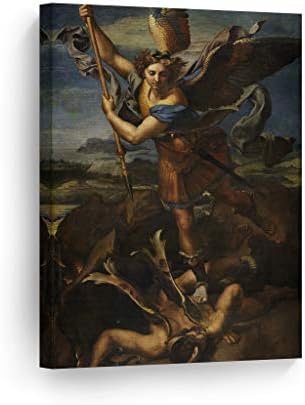
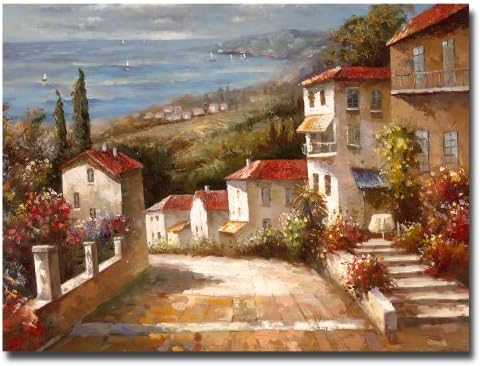
Religious Art: Spiritual Enhancement in Spaces
Religious art serves as an essential element in fostering a serene and contemplative environment, providing both aesthetic enjoyment and spiritual upliftment. Through various forms of artistry—including paintings, sculptures, and intricate mosaics—religious art invites viewers to engage in reflection, meditation, and contemplation. This type of art often embodies themes of faith, devotion, and transcendence, bringing a unique sense of peace to both personal and professional spaces.
Incorporating religious artworks into one’s environment can significantly enhance the ambiance, making it conducive to spiritual connection and thoughtful introspection. For instance, a striking depiction of a revered divine figure, such as the serene image of Buddha or the compassionate portrayal of Mother Mary, can anchor a room’s atmosphere and encourage a mindset of tranquility. The thoughtful placement of such artworks in the home, office, or communal areas can transform environments into sanctuaries of calm, facilitating not just personal contemplation but also communal gatherings centered around spirituality.
Moreover, specific artworks, such as intricate stained-glass windows or hand-painted icons, can dramatically enhance the character of a space. These pieces not only elevate the aesthetic quality of the surroundings but also serve as focal points that inspire conversations about faith and belief. In a professional context, displaying religious art can promote a sense of moral integrity and mindfulness within the workplace, reminding employees of the values that bind them together.
Thus, the incorporation of religious art in spaces extends beyond mere decoration. It creates an inviting atmosphere that deepens the connection to the divine, encouraging both individual reflection and collective spirituality. As individuals seek to curate their environments with meaning, religious art stands out as a profound choice, offering both beauty and a pathway to enhanced spiritual awareness.

- Transformative Artistic Value: This jesus walking on water wall art designed on museum-grade canvas effortlessly enhance…
- Ideal Size & Versatile Display: Available in multiple framed canvas art options, the Jesus canvas wall art fits various …
- Premium Quality & Durability: Crafted in the USA, this Jesus painting uses high-resolution UV-resistant ink on durable c…
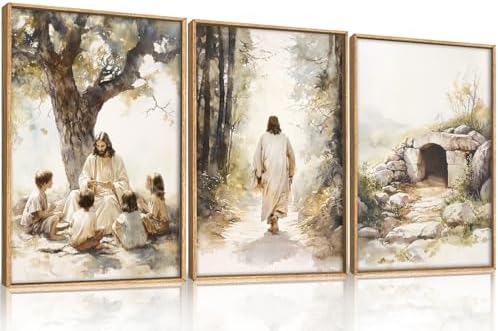
- 【Jesus Teaching Children on Path Wall Art】This Christian artwork is a three piece mural, the first depicting a scene of …
- 【Perfect Home Decoration 】By adding this Jesus painting to your living room, bedroom, bathroom or any other interior des…
- 【Easy To Hang】This colorful wall decor measures 24×36 inches (60x90cm). The provided hanging kit makes it easy to exhibi…
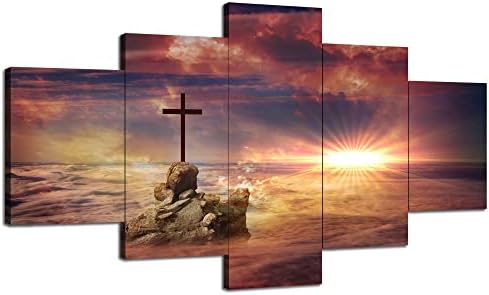
- High Definition Giclee modern canvas printing artwork, photo picture printed on high quality canvas.
- Stretched and framed, each panel has a black hook for easy mounting on wooden bars for easy hanging.
- A perfect wall art for living room, bedroom, kitchen, office, Hotel, dining room, office, bathroom, bar etc..
Abstract Art: Freedom of Expression
Abstract art, characterized by its departure from traditional representation, offers an expansive platform for artists to explore their creativity. This genre invites various interpretations, allowing viewers to engage with the piece on an emotional and intellectual level. Through the use of color, shapes, and forms, abstract art embodies a deep expression of human experience, transcending the limitations of literal representation.
One of the captivating aspects of abstract art is its ability to evoke a broad spectrum of emotions. The interplay of colors can stir feelings of joy, melancholy, or tranquility, effectively allowing the audience to interpret the piece based on their personal experiences. Whether it is a vibrant explosion of hues that energizes a room or subtle pastels that create a calming atmosphere, the emotional impact of abstract art is undeniably profound.
In a diverse range of settings, abstract art transforms spaces significantly. Its versatility allows it to be integrated into various environments, be it a modern office, a cozy living room, or a minimalist gallery. The lack of defined subjects in abstract pieces encourages viewers to experience art differently, making it adaptable to personal taste and decor. For example, a bold abstract painting can serve as a striking focal point in a neutral space, energizing it, while softer abstract works may complement more traditional decor, adding depth and intrigue.
The charm of abstract art lies in its openness. It invites discourse, prompting viewers to share their interpretations and engage with one another on multiple levels. This quality makes it not just a visual experience, but also an avenue for conversation and connection, further enhancing its status as a cherished addition to any artistic collection.
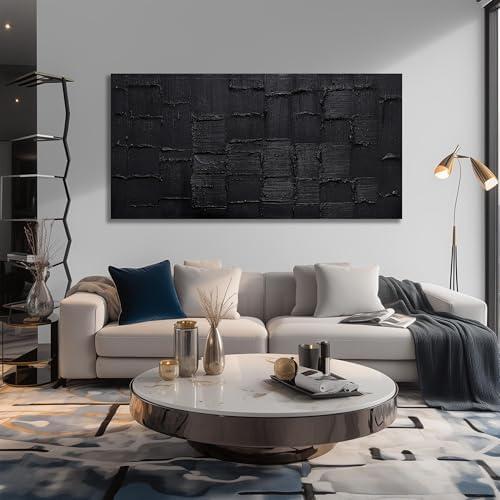
- 【black Abstract Canvas Mural Size】The Size is 29″ x 58″. Since each 3D painting is hand-painted, the actual painting may…
- 【Hand-painted】This is hand-painted by a professional artist. This original painting has a rich texture in the blend of b…
- 【EASY TO HANG】Each panel of canvas painting already stretched on solid wooden frames, gallery wrapped, ready to hang.Add…

- 【Black Abstract Canvas Mural Size】 The size is 40″ x 80″(100x200CM). Since each painting is hand-painted, 3D textured ca…
- 【HAND-PAINTED】This is hand-painted by a professional artist. This original painting has a rich texture in the blend of b…
- 【EASY TO HANG】Each panel of canvas painting already stretched on solid wooden frames, gallery wrapped, ready to hang.Add…

- Wall Decoration Size: 32″x 70″, tree wood wall decor suitable size makes it a great decor addition to your living room,d…
- Framed Wall Art: Canvas on a sturdy frame; Our black wall art includes mounting hardware. High Definition wall art decor…
- High Definition Print Canvas Wall Poster: This canvas painting use High Definition modern canvas printing artwork, pictu…
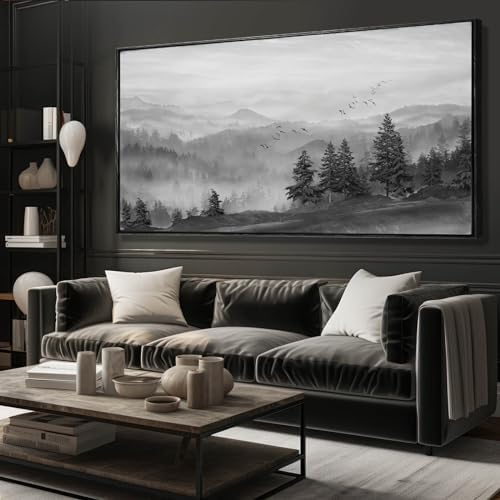
- Wall Decoration Size: 30″x 60″,Home Decoration suitable size makes it a great decor addition to your living room,dinning…
- Framed Wall Art: Canvas on a sturdy frame; Our Large Wall Art includes mounting hardware. High Definition wall art decor…
- High Definition Print Canvas Wall Poster: This Trees Canvas Picture use High Definition modern canvas printing artwork, …
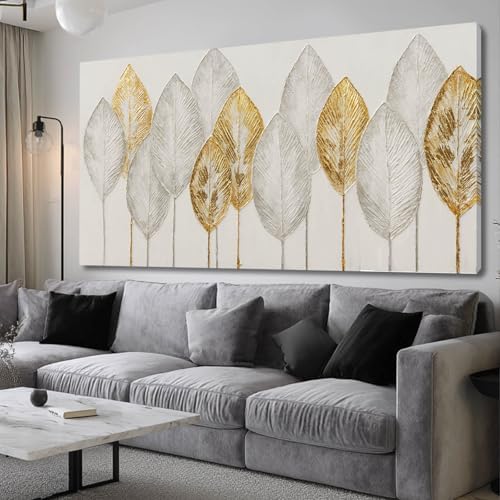
- Wall Decoration Size: 29″x 58″, minimalist wall pictures suitable size makes it a great decor addition to your living ro…
- Framed Wall Art: Canvas on a sturdy frame; Our contemporary wall art includes mounting hardware. High Definition wall ar…
- OIL PAINTING: Our leaves wall decor was hand painted 30% + printed 70%. This artwork with rich texture in the brush stro…
Incorporating Hand-Painted Fine Arts in Your Space
Integrating hand-painted fine arts into your living or working environment can significantly enhance the aesthetic appeal and character of the space. The process begins with thoughtful selection that aligns with the existing décor and serves a specific purpose within the room. When choosing artwork, it is essential to consider the color palette already established in the area. Selecting pieces that harmonize or contrast effectively can create a dynamic visual impact.
Thematic consistency is another critical factor in the incorporation of hand-painted fine arts. Depending on your personal preferences or the intended atmosphere of the room, artworks can embody themes such as nature, abstract concepts, or cultural representations. Ensure that the chosen pieces are cohesive with the overall theme of your space, as this can unify the environment and promote a sense of balance.
Creating focal points within a room is an effective strategy for showcasing hand-painted fine arts. A well-placed artwork can capture attention and influence the flow of the space. Consider utilizing large pieces of art as a central feature in a living room or as a statement in an office, drawing visitors’ eyes and encouraging conversations about the work. Additionally, positioning smaller pieces strategically can complement the larger works or enhance less visible areas, transforming the entire space.
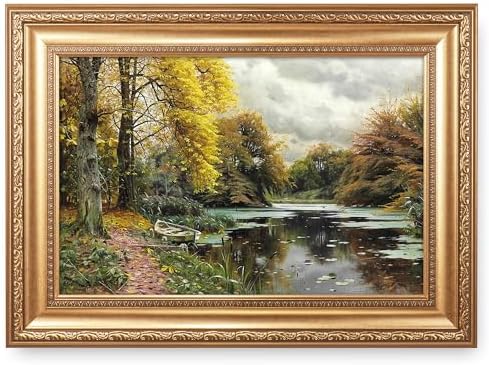
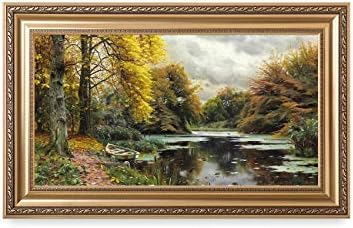
Another tip is to explore varying heights and arrangements of hand-painted pieces. Gallery walls, where multiple artworks of differing sizes and frames are grouped together, offer a contemporary look that can fill voids on walls while allowing for personal expression. Overall, the intentional incorporation of hand-painted fine arts can bring about a unique charm, reflecting personal style and invigorating any environment.

Conclusion: The Lasting Impact of Art in Our Lives
Incorporating hand-painted fine arts into our living and working environments offers far more than mere decoration; it significantly influences our emotional and psychological well-being. Art possesses the unique ability to inspire, provoke thought, and evoke feelings, thereby shaping the atmosphere in which we exist. When placed thoughtfully, hand-painted artwork can transform a simple space into one that reflects individuality and creativity, enriching our everyday experiences.
The presence of art stimulates creativity and motivation, serving as a reminder of beauty and inspiration in both personal and professional spaces. By integrating hand-painted pieces, individuals can create a more vibrant environment that fosters connection and expression. Moreover, unique art serves as a conversation starter, encouraging social interaction and engagement, which are vital for both personal relationships and collaborative work settings.
Beyond aesthetic value, studies have shown that exposure to art can enhance productivity and reduce stress. Environments adorned with fine arts can lead to greater satisfaction and a sense of belonging. Art encourages mindfulness, allowing individuals to pause and appreciate the intricacies and narratives embodied in each piece. This aspect of artistic engagement can foster emotional resilience and mental clarity, contributing to overall well-being.
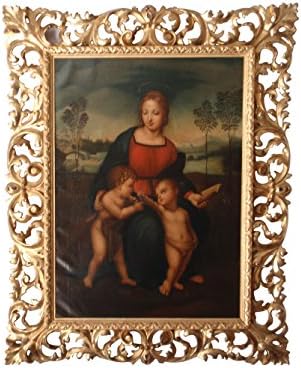
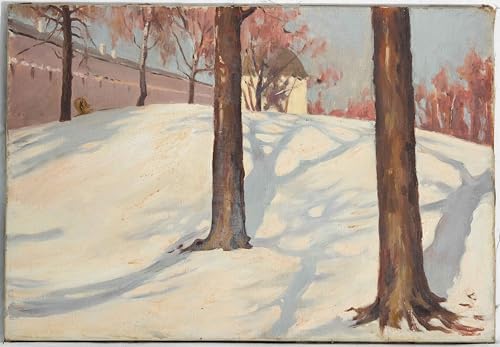
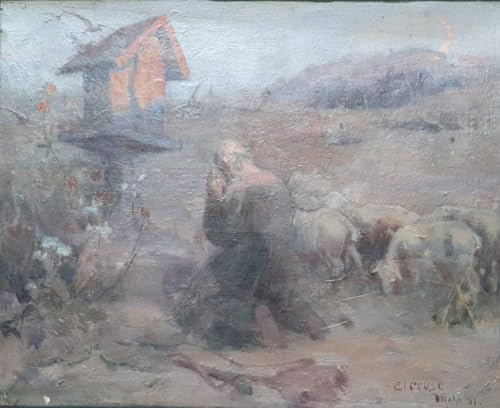
- Orginal artwork
- This is not a new item
Thus, the allure of hand-painted fine arts lies not just in their visual appeal, but in their profound capacity to reinforce our emotional landscape. The impact of incorporating such art is enduring, shaping our surroundings and experiences in meaningful ways. Investing in unique artwork is, therefore, a commitment to enhancing the quality of our lives, promoting well-being, and creating spaces that resonate with authenticity and personal identity.
AS an Amazon Associate I may earn a small commission from links you click at no cost to you.
Leave a Reply