
Introduction to Real Estate Essentials
The journey of a real estate agent is multifaceted, necessitating a range of supplies that contribute significantly to their effectiveness and professionalism. A well-equipped agent not only showcases their expertise but also enhances the experience for their clients, making it essential to understand the tools that can facilitate success in the industry.
In the competitive world of real estate, having access to the right supplies can set an agent apart, providing a competitive edge. Essential supplies range from marketing tools and digital devices to effective management software and office equipment. Each of these tools plays a critical role in streamlining processes, improving communication, and ultimately satisfying client needs. For instance, a reliable smartphone or tablet enables agents to stay connected with clients and access property listings on the go, ensuring they can provide timely information and support.
Furthermore, marketing materials such as brochures, business cards, and professional signage help agents establish their brand identity and communicate their services to potential clients. High-quality imagery and virtual tours assist in presenting properties in an appealing manner, significantly impacting client impressions and leading to quicker sales. Thus, the importance of proper tools cannot be overstated, as they directly influence both an agent’s professionalism and client satisfaction.
Moreover, a well-organized workspace equipped with essential supplies fosters better productivity. This can include everything from ergonomic furniture and storage solutions to the latest technology for virtual meetings. Adequate preparation and organization can minimize stress and enhance the overall efficiency of a real estate agent.


Establishing Strong First Impressions
In the competitive realm of real estate, establishing a strong first impression is crucial. Sign frames play a pivotal role in achieving this by providing clear, visible, and professional signage for properties. These frames not only hold the essential information regarding the property but also serve as an essential branding tool for agents. They portray a professional image and reinforce the agent’s identity in a crowded market.
There are several types of sign frames available to cater to diverse needs and preferences. One common option is the A-frame or sandwich board, which is portable and ideal for open houses or events. This type allows agents to easily display information on both sides, effectively maximizing visibility in bustling areas. Another prevalent choice is the yard sign frame, often made from durable materials such as aluminum or corrugated plastic, which withstand weather elements and ensure long-term use.
Materials used in sign frames are varied, with metal frames offering durability and a sleek look, while plastic frames often provide lightweight portability. Agents should also consider the visibility factor, where frames with reflective or bright colors can catch the eye of potential clients more effectively. Choosing the right frame not only enhances the aesthetics of the property listed but also appropriately reflects the branding efforts of the agent.
Effective branding relies heavily on consistency, and utilizing sign frames can further this objective. By incorporating logos, brand colors, and professional fonts into the sign’s design, agents can foster recognition among their target audience. Overall, selecting an ideal sign frame is critical; it not only conveys information but also encapsulates the agent’s style and commitment to professionalism in real estate.


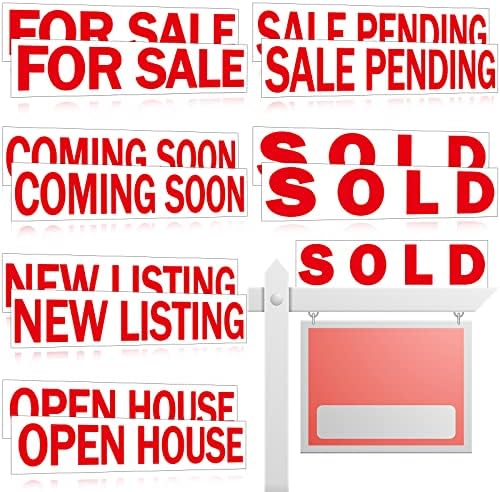
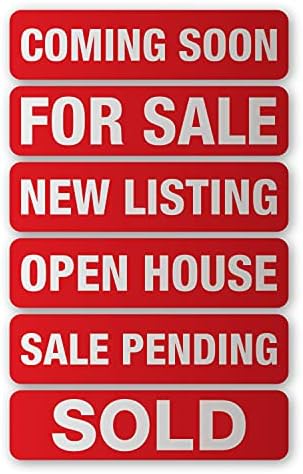
Sign Panels: Conveying Your Message
Sign panels play a crucial role in the real estate business, serving as a visual interface between the agent and potential clients. They are specifically designed to fit into frames, providing a professional appearance that can attract attention and generate interest in a property. A well-crafted sign panel not only informs prospective buyers about a property for sale but also reflects the agent’s branding and professionalism.
Customization options for sign panels are abundant. Agents can choose from various materials, colors, and sizes to ensure their message stands out. Commonly selected materials include corrugated plastic, aluminum, and vinyl, all of which offer durability and weather resistance. Furthermore, agents can incorporate their logo, contact information, and the property’s key features, such as the number of bedrooms and bathrooms, square footage, and unique selling points that make the listing appealing. This details in sign panels enhance their effectiveness in conveying essential information to potential buyers.
When designing sign panels, it is vital to include the necessary information clearly and concisely. It is recommended to keep text minimal; using bold fonts and contrasting colors can improve readability from a distance. Moreover, including a QR code on the sign can direct potential buyers to virtual tours, online listings, or contact forms, facilitating immediate engagement. By choosing high-contrast colors and large fonts for the most critical information—such as ‘For Sale’ and a phone number—agents can ensure that their sign panels are not only informative but also eye-catching.
Ultimately, sign panels serve as an essential tool for real estate agents seeking to communicate effectively with potential buyers. By investing time in customizing these panels thoughtfully, agents can enhance their visibility and create a lasting impression in a competitive market.


Lock Boxes: Ensuring Security and Access
Lock boxes are essential tools in the real estate industry, providing agents with a secure method to manage property access during showings, open houses, and inspections. Their primary function is to safeguard house keys while allowing authorized personnel, such as real estate agents and potential buyers, to access properties without compromising security. The use of lock boxes ensures that properties remain secure when they are unoccupied, facilitating seamless access for scheduled visits.
There are several types of lock boxes available, including combination lock boxes, electronic lock boxes, and Bluetooth-enabled models. Combination lock boxes require users to input a specific code, while electronic versions generally offer additional features such as time-limited access. Bluetooth-enabled lock boxes allow agents to manage access remotely via a smartphone application. These variations provide flexibility and cater to different security needs and preferences, ensuring that real estate transactions run smoothly.
When utilizing lock boxes, it is imperative to follow best practices to enhance security and functionality. First, agents should choose a lock box that is durable, weather-resistant, and easy to secure. Placing the lock box in a discreet yet accessible location is crucial; it should be near the property entrance but not easily visible to the public. Additionally, agents should regularly change the combination or update access codes, especially after property showings, to prevent unauthorized access. Maintaining precise records of who accesses the lock box is also advisable, as this transparency reinforces security measures. By adhering to these best practices, agents can ensure that lock boxes serve their intended purpose effectively, ultimately facilitating efficient property transactions.


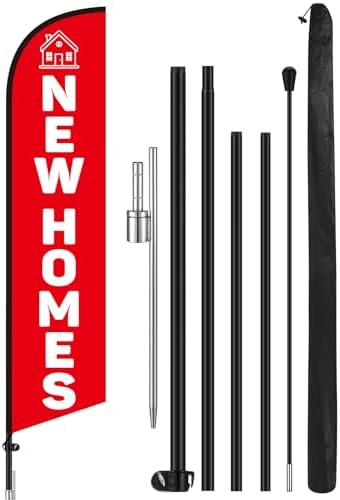
Open House Signs: Drawing Attention
Open house signs play a crucial role in attracting potential buyers during real estate events. These signs serve not only as directional guides but also as visual invitations, making it essential for agents to invest in high-quality, eye-catching signage. A well-designed open house sign can elevate the perception of the property while also drawing foot traffic from passersby who may not have initially been considering a visit.
When selecting open house signs, agents should focus on materials that are weather-resistant and durable, given that these signs will be positioned outdoors. Coroplast signs are a popular option due to their lightweight yet robust nature. Furthermore, utilizing bright colors and bold fonts can enhance visibility, ensuring that potential buyers easily notice the signs from a distance. Adding directional arrows can also help guide interested individuals to the location effectively.
Placement of open house signs is equally important for maximizing impact. Strategically position signs at key intersections leading to the property, ensuring they are visible without obstructing traffic or pedestrians. It is best to set up signs a few days before the open house event to generate buzz and allow prospective buyers to plan their visit. Additionally, it may be beneficial to secure permission for placing signs in nearby high-traffic areas, which can help increase overall awareness.
In addition to traditional signage, incorporating digital marketing strategies can further enhance visibility. Agents can share announcements of their open houses across social media platforms and local online community boards, using appropriate hashtags to reach a broader audience. By combining effective signage with innovative marketing techniques, real estate agents can significantly increase the chances of attracting motivated buyers during open house events.


Registry Books for Open Houses: Keeping Track
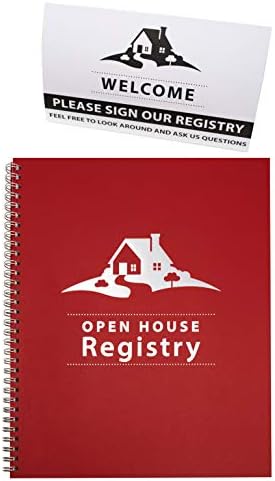
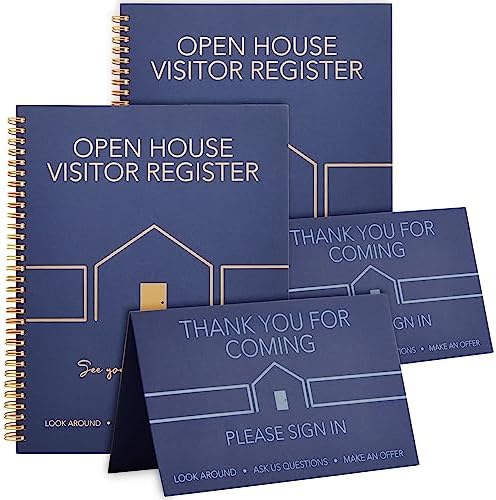
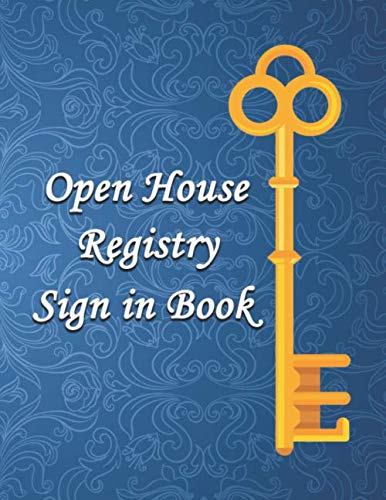
Registry books serve as a vital tool for real estate agents during open houses, providing an organized method for collecting and managing visitor information. In an industry where the relationship between agents and potential clients is key, having a systematic approach to tracking visitors is crucial. Registry books can help facilitate this process by allowing agents to record essential details such as names, contact information, and preferred property features as visitors tour the property.
When hosting an open house, it is essential to engage with visitors and encourage them to fill out the registry book. This practice not only demonstrates professionalism but also fosters an atmosphere of transparency and accessibility. By collecting this information, agents can personalize their follow-up communication, tailoring it to the specific interests expressed by potential buyers during their visit. This personal touch can significantly enhance the likelihood of converting an interested person into a client.
Moreover, registry books can serve as an invaluable resource for analyzing trends and visitor demographics. By routinely reviewing collected data, real estate agents can gain insights into the types of properties attracting the most interest. This information can inform future marketing strategies and help agents identify which neighborhoods or property features are in high demand. Additionally, having a detailed record of interactions allows agents to maintain a comprehensive history of their engagements with prospective clients, which is beneficial for building lasting relationships.
In conclusion, incorporating a registry book into open house events is not merely a matter of tradition; it is a strategic decision that can greatly enhance an agent’s ability to generate leads and foster client relationships. By keeping track of visitor information, agents can ensure effective follow-up processes, ultimately driving their success in the competitive real estate market.
Closing Gifts: Leaving a Lasting Impression
In the competitive realm of real estate, the significance of closing gifts cannot be overstated. These tokens of appreciation not only commemorate the successful conclusion of a property transaction but also play a pivotal role in fostering long-term relationships between agents and their clients. A well-chosen closing gift can serve as a reminder of the positive experience clients had with their agent, ultimately enhancing the agent’s reputation and potential for referrals.
To leave a lasting impression, real estate agents should consider gifts that resonate with individual clients, showcasing thoughtfulness and personalization. High-quality gifts could range from customized home décor items, such as engraved keychains or personalized doormats, to practical essentials that clients may need after moving into their new homes. A gift basket filled with home essentials or gourmet treats can also create a warm and inviting gesture that clients will appreciate.
Moreover, agents can opt for experiences that create lasting memories. Gift certificates for local restaurants or services can provide new homeowners with an opportunity to explore their community while enjoying a delightful meal. Alternatively, personalized housewarming kits containing items specific to the client’s taste or preferences can demonstrate a deep understanding of and connection with the client.
As the trend towards sustainability continues to grow, agents can also consider eco-friendly gifts that reflect a commitment to the environment. Sustainable options, such as reusable shopping bags or indoor plants, not only appeal to environmentally conscious clients but also communicate a forward-thinking mindset from the agent. In essence, well-thought-out closing gifts can significantly enhance the client-agent relationship, ensuring that an agent is remembered fondly and recommended to others in the future.
In the real estate industry, effective marketing materials such as brochures and business cards are crucial for promoting properties and establishing a professional image. A well-designed brochure serves as a visual representation of a property, showcasing its features and benefits to potential buyers. Business cards, on the other hand, provide a personal touch, making it easy for clients to remember a real estate agent and refer them to others.
When creating marketing materials, agents should focus on the design aspects that capture attention and communicate essential information clearly. High-quality images play a significant role in brochures; they should be appealing and relevant to the property being advertised. Additionally, the layout should be clean and organized, ensuring that prospective clients can navigate the essential information without confusion.
Including key details is vital in both brochures and business cards. For brochures, important property information such as square footage, number of bedrooms and bathrooms, and unique selling points should be highlighted. It’s also beneficial to provide local market insights, reinforcing the property’s value and appeal. Business cards should contain the agent’s name, title, contact details, and brokerage information, all presented in a readable font that aligns with the overall branding.
Colors and fonts should be chosen wisely to convey professionalism and attract attention. A consistent color scheme can assist in brand recognition, while a selection of professional, easy-to-read fonts ensures the information is accessible. Furthermore, including a call-to-action in brochures, such as inviting potential buyers to schedule a viewing or visit a website for more information, can significantly enhance engagement.
Ultimately, marketing materials such as brochures and business cards are indispensable tools for real estate agents. By integrating thoughtful design and critical information, these items serve not only to present properties but also to establish the agent’s personal brand within the competitive real estate market.



AnyPromo.Com is a great place to purchase bulk Closing Gifts so you never get caught without! Click the link to check it out!
https://www.anypromo.com/referrer-default/1705850b-d9cc-42cc-bfe7-eba7d92b618b
Conclusion: Investing in Your Success as an Agent
Throughout this blog post, we have explored various essential supplies that can significantly enhance the effectiveness of a real estate agent. From high-quality mobile devices and reliable laptops to professional-grade photography equipment, each item plays a pivotal role in streamlining everyday operations. Additionally, investing in customized marketing materials, up-to-date software tools, and comprehensive training resources can help an agent stand out in a competitive market.
The supplies discussed not only contribute to a smoother workflow but also aid in building a strong professional image. A well-prepared agent projects confidence and competence, which can foster stronger relationships with clients. For instance, using advanced marketing tools can facilitate better property presentations and lead generation. Similarly, professional photography ensures that listings are appealing, enhancing the likelihood of attracting potential buyers.
In your journey as a real estate professional, it is crucial to view these supplies as investments rather than mere expenses. The return on investment (ROI) from quality tools and resources often manifests in increased efficiency, improved client satisfaction, and ultimately, higher sales outcomes. Tracks of success in real estate are often paved with the right tools that enable agents to perform at their best.
Therefore, as you strategize your steps forward in the real estate industry, consider the impactful difference that premium supplies can make. By committing to acquiring the best tools available, you are not merely preparing for success; you are setting the foundation for a flourishing career that can adapt to the evolving dynamics of the real estate market.
As an Amazon Associate I earn from qualifying purchases you make from clicking any links I may share.
Leave a Reply